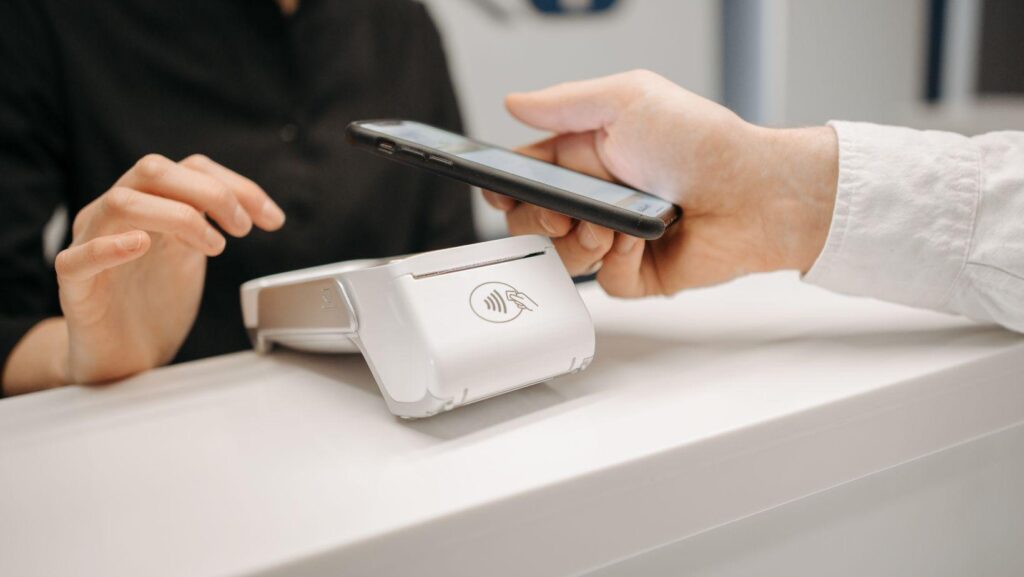
Cash barely gets a look-in anymore when Brits spend money on entertainment. Whether it’s buying gig tickets on your phone, tapping your watch at a cinema kiosk, or entering an online prize draw from your sofa, the way we pay for fun has changed fast. Here’s what’s driving the change and what it means for how we spend on leisure.
How Card and Contactless Payments Took Over
The numbers tell the story pretty clearly. According to UK Finance, there were 31.4 billion debit and credit card transactions in the UK in 2024, up from 30.2 billion in 2023. Cash, on the other hand, accounted for just 9% of all payments, down from 48% a decade earlier.
Contactless payments alone hit 18.9 billion transactions in 2024, with the average tap costing just £15.86. That lines up with everyday entertainment spending: a couple of drinks, a cinema ticket, a takeaway on a Friday night. And half of all UK adults were using mobile wallets like Apple Pay or Google Pay at least once a month by the end of 2024, making phones and smartwatches just as common at the till as plastic cards.
What This Means for Leisure Spending
When paying for something takes two seconds and a tap, people don’t think twice about small purchases. A few years ago, you might have hesitated over a £3 impulse buy because you didn’t have the right change. Now, you’ll tap without blinking.
This has opened the door for entertainment categories that run on micro-transactions. Mobile games, streaming add-ons, in-app purchases, and digital prize draws all rely on the fact that spending small amounts digitally doesn’t carry the same friction as handing over physical money. You could spend as little as 10p on a Rafflee online competition entry, and with payment details already saved, it’s a single tap to enter. That’s exactly the kind of low-friction transaction that cashless infrastructure has made possible.
New Entertainment Categories Built on Digital Payments
Some forms of entertainment simply wouldn’t exist without cashless infrastructure. Streaming platforms charge monthly fees directly from your account. Mobile games offer optional in-app purchases for cosmetics or upgrades. Online competitions and prize draws sell tickets for under £1.
Digital event ticketing gives you instant confirmation with stored payment details. These categories all depend on the ability to process low-value transactions at scale, quickly and cheaply. They’ve emerged because the payment technology made them viable, and because consumers got comfortable spending digitally without a second thought.
The Impulse Spending Question
There’s a flip side to all this convenience. When you remove friction from spending, people tend to spend more. Research has consistently shown that consumers are more willing to part with money when they don’t physically hand over notes and coins. The psychological “pain of paying” that comes with cash simply doesn’t apply in the same way when you’re tapping a screen.
For entertainment, this raises real questions. It’s much easier to rack up small purchases across gaming platforms, streaming services, and online draws when each one costs very little on its own. Individually, they’re harmless. But they’ll add up over a month, and most people don’t track micro-transactions the way they would a larger purchase.
Buy now, pay later usage jumped from 14% to 25% of UK adults in a single year, and with regulation not expected until 2026, digital spending habits are moving faster than the rules designed to protect consumers.
Will Cash Disappear from Entertainment Entirely?
Probably not entirely, but it’ll keep shrinking. UK Finance projects that cash will make up just 4% of all UK payments by 2034. In entertainment specifically, it’s already close to irrelevant for many categories. You can’t pay cash for a Netflix subscription, and most live event venues are moving towards cashless-only systems.
That said, around 7 million people in the UK still use cash daily according to a 2025 Finder survey, though UK Finance puts the number who mainly depend on cash for everyday spending at around 1.2 million. For venues and entertainment providers, going fully cashless means potentially locking out part of their audience, particularly older consumers and people on lower incomes.
Where UK Entertainment Spending Goes Next
Digital payments will continue to dominate how people spend on leisure, and new entertainment formats will keep emerging around the ease of small, frictionless transactions. What matters now is whether consumers stay aware of how much those small spends add up to, and whether the industry builds in enough transparency to keep things fair.
The cashless trend isn’t going anywhere. But with 1.2 million people still relying on cash day-to-day, entertainment providers that go fully digital will need to make sure they’re not shutting people out.