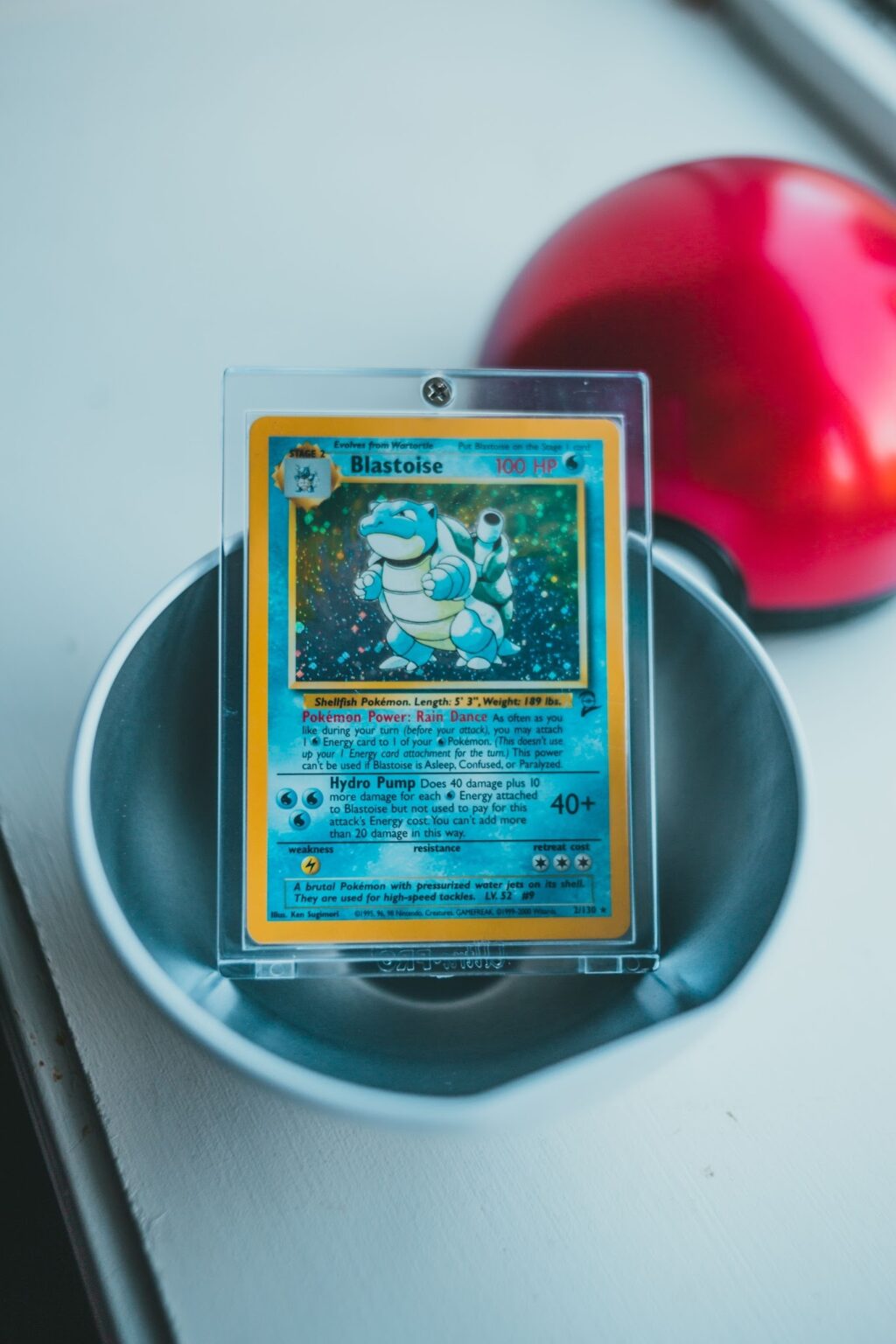
Discovering a rare collectible hidden inside an old storage box can completely change the way you look at your childhood collection. Understanding the key signs of rarity can transform a nostalgic hobby into a more informed collecting strategy.
Old binders gathering dust at the back of a cupboard often contain forgotten treasures worth another look. While most cards are treasured for the memories they hold, some have become highly sought after in today’s collecting market. Going through your collection takes patience, good lighting and attention to the small manufacturing details that many people overlook.
Deciphering the Corner Symbols and Rarity Icons
Start by checking the bottom-right corner of each card. Every genuine Pokémon trading card includes a small symbol that indicates its rarity. A circle represents a common card, a diamond marks an uncommon card and a five-pointed star identifies a rare card. These rare cards are often the starting point for the most valuable collections.
Modern expansions go even further by introducing ultra-rare categories with multiple stars, holographic finishes and secret-rare numbering, where the collector number exceeds the official set size. Some specialty releases also feature unique symbols, stylized lettering or gold foil details that make them especially desirable.
Learning to recognize these subtle differences is one of the biggest distinctions between casual collectors and experienced hobbyists. Even a slight variation in foil texture or icon color can dramatically affect a card’s desirability.
Tracking Market Trends and Valuation Shifts
Understanding what your collection is worth means following reliable sales data rather than guessing. Historical sales records and trusted tracking platforms provide a much clearer picture than asking prices alone.
Identifying the exact edition of your card also allows you to compare it against current Pokemon card prices 2026, helping you avoid selling a valuable card for less than it is worth.
The market has reached a more stable phase this year, making accurate cataloging even more important when assessing long-term value.
Public auction records and verified transaction databases remain the most reliable sources for determining realistic market values. Individual forum discussions or speculative online listings often reflect wishful thinking rather than actual sale prices. Looking at confirmed transactions provides a much stronger indication of what collectors are genuinely willing to pay.
Inspecting the Holographic Foil and Printing Quirks
The finish of a card is often one of its most valuable features. Examine the artwork closely to see whether it includes a reflective holographic layer. Traditional holographic cards have a shimmering image, while reverse holographic versions apply the foil across the entire card except for the character artwork.
Some manufacturing variations are even more desirable than standard holographic finishes. Watch for these well-known printing quirks:
- Shadowless Borders: Early print runs without the dark shadow along the artwork frame.
- Error Text: Misspelled names or incorrect damage values that increase rarity.
- Ink Hickeys: Small circular ink spots created by dust during printing.
- Miscut Edges: Noticeable alignment errors where part of a neighboring card appears.
These production differences are uncommon and certain examples have become particularly desirable among collectors.
Identifying the Stamp of the First Edition
Knowing when a card was printed is another important part of evaluating its potential value. One of the most recognized indicators is the small “Edition 1” circular stamp positioned beside the lower-left corner of the artwork window.
A genuine First Edition stamp shows the card came from the earliest commercial print run of that expansion. Shadowless First Edition cards remain some of the most iconic examples in the hobby. If you think you’ve found one, inspect the stamp carefully with a magnifying glass to ensure the black ink sits cleanly on top of the printed background rather than beneath it.
Assessing Physical Condition and Preservation Levels
Even an exceptionally rare card can lose significant value if its condition has deteriorated. Professional grading companies assess cards on a 1-to-10 scale using four main factors: edges, corners, surface quality and centering. Before estimating a card’s worth, inspect each of these areas carefully.
Centering is especially important because uneven borders caused during manufacturing can limit a card’s final grade, even if the rest of it appears nearly flawless. Professional graders also identify tiny surface dents, faint scratches, microscopic corner wear and other imperfections that are difficult to spot without magnification.
Small flaws visible only under bright light can significantly reduce a card’s value. Creases, scratches, silvering around the edges, fading ink or a loss of the original surface gloss are all signs of wear that collectors take seriously. Examining your card beneath a bright lamp with a jeweler’s loupe gives you a much more accurate picture of its overall condition.
Once you’ve assessed your collection, proper storage becomes essential. Using a penny sleeve followed by a rigid top-loader helps protect cards from moisture, dust, skin oils, bending and everyday handling. This simple two-step method remains one of the most effective ways to preserve condition over time.