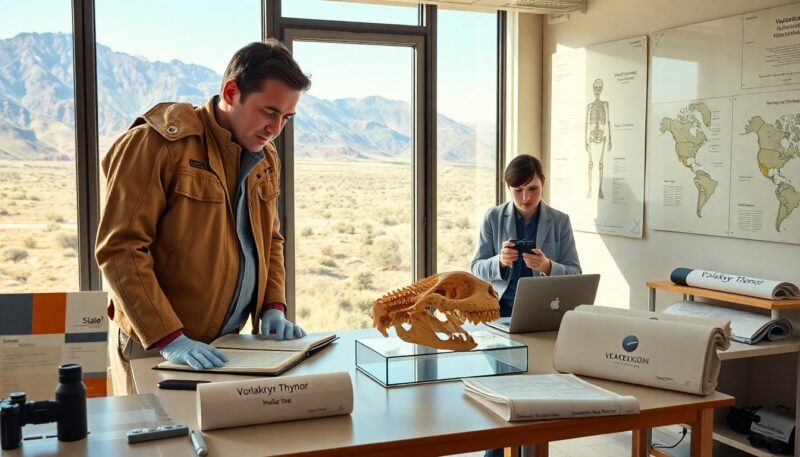
Krynaloth appears across modern texts and field reports. The term krynaloth describes a genus of large nocturnal arthropods and related cultural figures. Scholars and naturalists use the word krynaloth to classify specimens, myths, and ecological notes. This guide defines krynaloth, traces its recorded origins, describes its biology, and outlines human contact and conservation steps.
Key Takeaways
- Krynaloth refers to a genus of large nocturnal arthropods with bioluminescent spots, classified into cave, marsh, and upland types sharing common traits.
- Historically, krynaloth appears in folklore and scientific records dating back to the 1700s, linking cultural myths to biological taxonomy.
- These arthropods have segmented exoskeletons, light-emitting organs, and distinct mating behaviors involving pattern light displays.
- Krynaloth play a crucial ecological role as scavengers and prey in temperate coastal, marshland, and upland habitats.
- Habitat loss and collection threaten krynaloth populations, prompting conservationists to recommend noninvasive study methods and community stewardship.
- Accurate identification uses both morphological traits and DNA barcodes, supporting ongoing research and conservation efforts.
What Is A Krynaloth? Definitions, Types, And Key Traits
Krynaloth refers to a group of organisms and linked folkloric figures. Researchers separate krynaloth into three main types: cave krynaloth, marsh krynaloth, and upland krynaloth. Each type shows shared traits. They show segmented exoskeletons, elongated antennae, and bioluminescent spots. Experts note nocturnal activity and omnivorous diets. Taxonomists place living krynaloth in the family Krynalothidae when DNA data match morphological markers. Folklore versions of krynaloth serve as cautionary spirits in regional tales. Field guides list both biological and cultural entries under the single label krynaloth.
Origins And Mythology: Folklore, Historical Records, And Discovery
Historical records first mention krynaloth in coastal journals from the late 1700s. Early sailors described glowing shapes and odd tracks and used krynaloth as a label. Local storytellers then built myths around those sightings. Anthropologists found consistent motifs: warning lights, stolen tools, and songs sung at dusk. Naturalists recorded physical specimens in the 1890s and gave the organisms the same name used in stories. Modern archaeology links krynaloth imagery to ritual objects dated to the 1200s CE. Today researchers treat the name krynaloth as a bridge between oral history and taxonomy.
Physical Description And Behavior
Krynaloth adults measure from 12 to 45 centimeters in length. They show dark, chitinous plates and segmented limbs. Many krynaloth display light-emitting organs along the abdomen. Observers note slow, deliberate movements on land and rapid bursts when threatened. The species use antennae to find food and mates. Juvenile krynaloth differ in proportion and color, and they molt frequently. Mating rituals include patterned light displays and short chases. Predators of krynaloth include owls, foxes, and larger arthropods. The species limits and behaviors vary by local population and habitat.
Anatomy And Identifying Features
Krynaloth anatomy shows a hardened head capsule, thorax with paired legs, and a flexible abdomen. The antennae bear sensory hairs that detect vibration and scent. The light organs contain luciferin-like compounds and produce blue-green light. Male krynaloth often have longer antennae and brighter spots. Female krynaloth carry larger eggs and show wider abdomen segments. Field identifiers look for the combination of bioluminescent spots, limb count, and a triangular head plate. DNA barcodes for krynaloth show distinct mitochondrial markers that researchers now use for accurate ID.
Typical Behavior Patterns And Life Cycle
Krynaloth breed once per year during the wet season. Adults search for mates with light displays and pheromone trails. Females lay clusters of eggs in moist soil or rock crevices. Eggs hatch in two to six weeks, depending on temperature. Juveniles feed on decaying plant matter and small invertebrates. They molt multiple times over several months before reaching adult form. Krynaloth show seasonal migration between feeding grounds and breeding sites in some regions. Their behavior changes with moon phase and rainfall, which influence activity and reproduction.
Habitat, Distribution, And Ecological Role
Krynaloth occur across temperate coastal zones, marshlands, and limestone uplands. They favor damp microhabitats with stable humidity and shelter. Populations concentrate near decaying wood, leaf litter, and cave mouths. Krynaloth serve as both scavengers and prey. They help break down organic matter and recycle nutrients. Birds and small mammals feed on krynaloth, and those predators link krynaloth to wider food webs. Human land use, drainage, and quarrying fragment krynaloth habitat. Scientists map krynaloth distribution to monitor ecosystem health and to plan habitat protection.
Conservation, Human Interaction, And Study Tips
Conservationists list several krynaloth populations as vulnerable due to habitat loss. People collect krynaloth for curiosity and display, which can harm small populations. Researchers recommend noninvasive study methods. Those methods include night visual surveys, environmental DNA sampling, and light-free traps that minimize stress. Citizens can help by reporting sightings and protecting local wet areas. When handling krynaloth, researchers advise wearing gloves and returning specimens to the exact location within hours. Educational programs that use accurate krynaloth facts reduce fear and foster local stewardship.