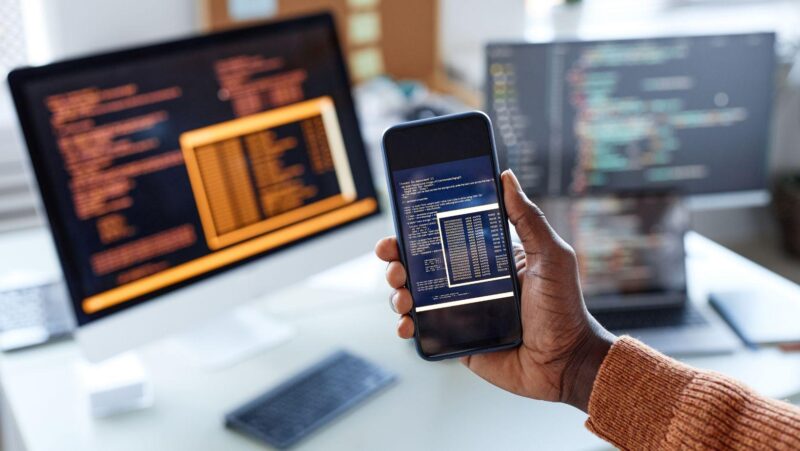
The restaurant industry is entering one of the most transformative phases in its history, driven by rapid digitization, shifting guest expectations, and an increasingly competitive market. In 2025, seamless guest experiences, operational efficiency, and real-time data insights are no longer optional perks—they have become pillars of sustainable success. This broader context explains why so many business owners are searching for modern solutions, and why phrases like “Why Every Restaurant Needs a Digital Reservation System in 2025” are becoming central in industry conversations. As dining habits evolve and customers expect frictionless interactions at every touchpoint, restaurants must embrace tools that help them anticipate demand, streamline workflows, and elevate the guest experience. At the heart of this shift lies the growing adoption of smart digital booking technology, which is emerging not as a luxury, but as a fundamental operational necessity.
For restaurants evaluating how to modernize their operations, the decision often begins with researching the right technology—an exploration that will inevitably lead them to options such as an online reservation system for restaurants used by forward-thinking establishments worldwide. But beyond simple bookings, these platforms now power an ecosystem of guest management, communication, analytics, and resource planning. They are reshaping how restaurants connect with their customers long before they arrive and long after they leave. For owners and managers who want to stay ahead, understanding how these tools fit into the growing digital movement is essential. The shift is no longer on the horizon—it is happening now, redefining how the industry must operate to thrive.
The Growing Digital Transformation of the Restaurant Industry
As restaurants navigate changing customer expectations, one pattern stands out: the modern diner values convenience above all else. Guests want the freedom to reserve a table from their phone, receive instant confirmation, avoid long wait times, and enjoy an experience that feels personalized from start to finish. This shift towards digital-first hospitality is accelerating the need for smarter tools that help restaurants manage surges in traffic, communicate seamlessly, and maintain full visibility across service operations. Traditional pen-and-paper systems or outdated booking methods no longer meet the expectations of guests who are used to intuitive apps and real-time information. The move toward advanced booking systems is part of a cultural evolution in dining—one where technology enhances the human touch rather than replacing it.
As more restaurants adopt digital solutions, the competitive landscape is shifting as well. Establishments with modern booking and management tools gain a clear advantage: improved table turnover, fewer no-shows, stronger customer loyalty, and more accurate forecasting. Digital systems also help eliminate common operational pain points, reducing manual labor and miscommunication on busy shifts. These changes benefit not only management, but also kitchen staff, servers, and guests. Whether small independent cafés or large restaurant groups, businesses are recognizing that digitization is not a trend but a strategic necessity for long-term success.
“Smart booking technology is no longer just a scheduling tool—it is the engine that empowers restaurants to anticipate demand, personalize guest experiences, and operate with unmatched efficiency.”
How Smart Booking Tools Improve the Guest Experience
Smart booking systems play a crucial role in shaping a guest’s perception long before they step inside the restaurant. When potential customers search for a place to dine, their first interaction is often digital—through a reservation platform, website, or mobile app. Offering real-time availability, instant confirmation, and easy modification options sets a strong foundation for a positive experience. These tools reduce friction by eliminating the need to call the restaurant or wait for manual confirmation. What once required multiple steps is now completed in seconds, enhancing convenience in a way that traditional methods simply cannot match. Moreover, digital booking tools allow restaurants to communicate essential details instantly, such as special offers, menu highlights, or policy updates, helping diners feel informed and valued.
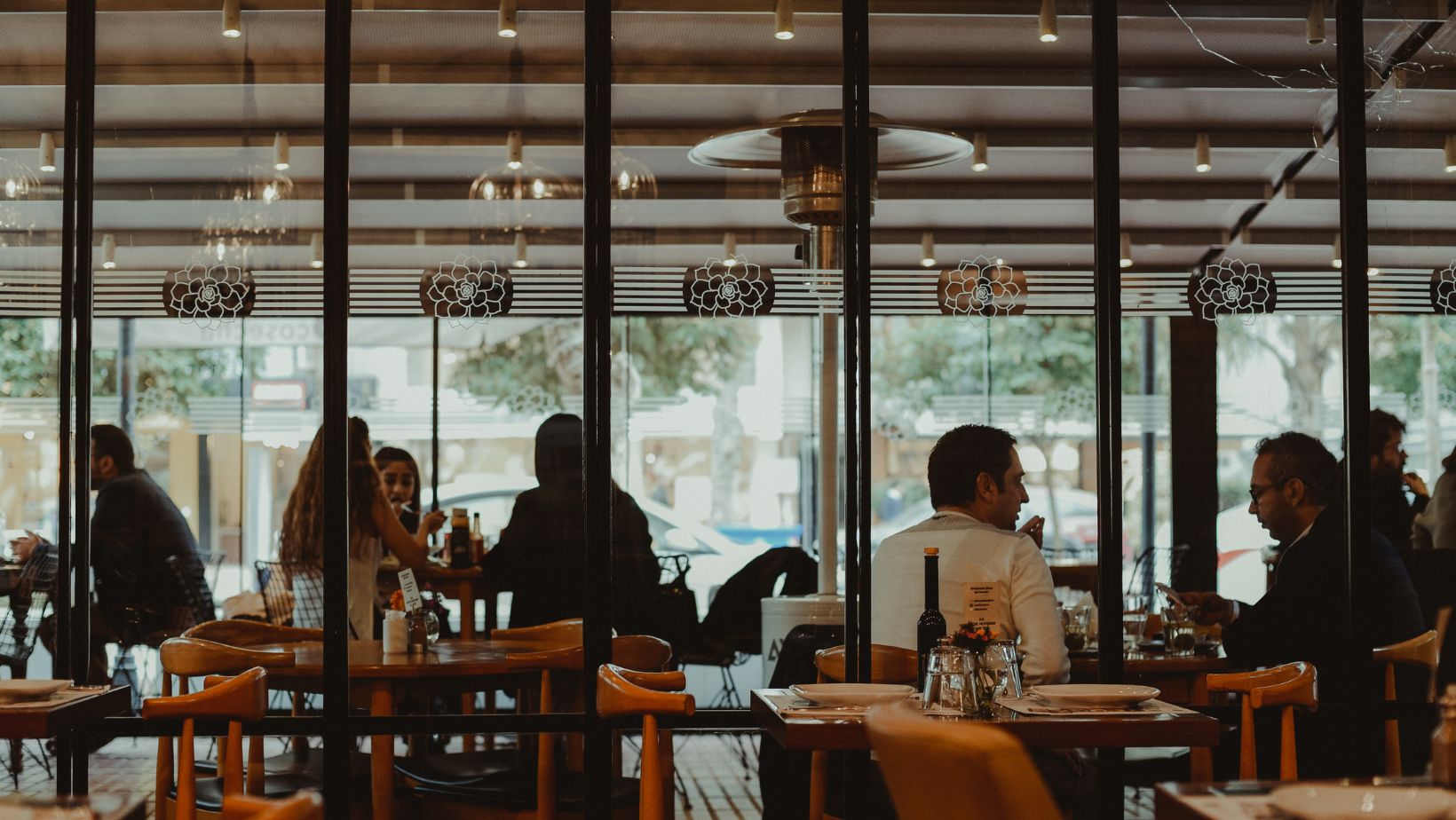
Beyond the initial reservation, these systems support a more personalized and welcoming service. Restaurants can capture important customer notes—such as dietary preferences, allergies, celebration dates, or favorite seating areas—and use them to create a tailored experience. In an era where personalization has become a defining factor in customer satisfaction, these insights help restaurants stand out. Additionally, digital tools reduce waiting times and prevent overbooking by offering precise forecasting, ensuring that service flows smoothly during peak hours. A more organized front-of-house leads to a more relaxed atmosphere for guests, who can enjoy their dining experience without unnecessary delays or confusion.
Optimizing Restaurant Operations Through Automation and Real-Time Insights
Smart booking systems extend far beyond simply managing reservations; they have become essential operational tools that streamline workflows and enhance team coordination. In busy restaurants where timing, communication, and accuracy can make or break the guest experience, automation significantly reduces the risk of human error. Staff no longer have to juggle handwritten notes, manually track table availability, or handle constant phone interruptions. Instead, automated systems manage confirmations, send reminders, organize seating charts, and even help allocate resources more efficiently. This shift enables staff members to focus more on service quality and less on administrative tasks, ultimately elevating the overall dining experience.
Automation also supports more strategic decision-making. Real-time insights help managers understand dining patterns, identify peak hours, and make data-driven staffing adjustments. This allows restaurant teams to anticipate rushes and prepare accordingly, resulting in smoother service flow. Moreover, data analytics generated by modern reservation platforms can highlight factors such as average guest return rates, popular dining times, and seasonal trends. With this information, restaurants can make more informed decisions about menu changes, marketing investments, and operational shifts. Instead of working reactively, managers gain the power to forecast and proactively plan for success.
A well-implemented digital system also reduces the number of no-shows—a costly issue for many restaurants. Automated reminder messages, confirmation prompts, and flexible cancellation options help ensure that guests follow through with their bookings. In many cases, restaurants can dramatically lower their no-show rates simply by introducing digital communication tools that keep guests engaged. As a result, businesses operate more efficiently, maximize table usage, and maintain a steady flow of revenue across shifts.
The Role of Data-Driven Decisions in Increasing Restaurant Profitability
Data-driven insights have become one of the most valuable assets for restaurants adopting a digital-first approach. Without access to accurate information, management teams are essentially guessing—relying on intuition rather than quantitative evidence. Smart booking tools solve this problem by capturing a wide range of metrics that help restaurants understand performance, guest preferences, and operational gaps. This enables more strategic planning and eliminates inefficiencies that can significantly impact profitability. With real-time and historical data, owners gain a clearer understanding of what drives success and where adjustments may be necessary.
One of the most powerful advantages of data-driven operations is improved forecasting. By analyzing reservation patterns, restaurants can better plan ingredient purchases, reduce waste, and ensure proper staffing levels. This not only saves costs but also makes the entire dining experience more consistent and reliable. Restaurants can avoid overstaffing during slow periods or being understaffed during peak hours, which often leads to rushed service and poor guest experiences. Additionally, data insights can reveal which menu items are most popular during certain times, allowing chefs to tailor specials and optimize inventory.
Data also enhances marketing strategies. Understanding which campaigns drive the most reservations or which customer segments are most loyal allows restaurants to allocate resources more effectively. For example, businesses can determine whether social media promotions, email campaigns, or partnerships yield the best ROI. They can also target specific customer groups with personalized messages, creating a more meaningful connection. Below is a simple table illustrating how data insights influence various aspects of restaurant strategy:
| Data Insight Type | Impact Area | Example of Optimization |
| Reservation Patterns | Staffing | Adjust team size to match peak hours |
| Customer Preferences | Personalization | Offer tailored dining experiences |
| Marketing Performance | Revenue Growth | Focus on high-ROI promotional channels |
| No-Show Rates | Operations | Improve communication and reminders |
These insights reinforce the importance of digital systems that track guest behavior and operational trends. The ability to act on data rather than guesswork is increasingly what separates thriving restaurants from those struggling to adapt. Equipped with accurate information, restaurants can create highly optimized processes that reduce costs, boost revenue, and build stronger guest relationships.
Strengthening Customer Relationships Through Personalization and Consistent Communication
Building strong customer relationships has always been at the core of successful hospitality, but in 2025 the ability to personalize and communicate consistently has become a defining competitive advantage. Smart booking tools give restaurants the opportunity to collect and use guest information in meaningful ways—preferences, visit history, dietary notes, and even celebration dates. This allows teams to deliver tailored experiences that feel attentive rather than generic. When a returning guest finds their preferred seating area ready or receives a personalized recommendation based on past visits, the impact is powerful. These small touches accumulate into a sense of loyalty that drives repeat business and strengthens a restaurant’s brand identity.
Consistent communication is another crucial pillar supported by modern reservation systems. Instead of relying on manual calls or fragmented channels, restaurants can automatically send confirmations, reminders, thank-you messages, or follow-up surveys. These automated touchpoints help maintain a seamless line of communication that reassures guests and minimizes misunderstandings. They can also share timely updates—menu changes, holiday hours, special promotions—without disrupting daily operations. Many restaurants enhance this communication strategy with secondary elements such as:
- brief post-visit follow-ups to encourage reviews
- automated birthday messages or special offers
- segmented newsletters targeting specific guest groups
These additions are not the primary content of the guest experience, but they strengthen the emotional connection and keep the restaurant present in the customer’s mind. When executed well, these strategies turn one-time visitors into loyal customers who return not only for the food, but for the feeling of being recognized and valued.
Furthermore, digital systems make it easier for restaurants to stay consistent in how they engage with their audience. Consistency builds trust, and trust drives retention. Over time, guests begin to expect—and appreciate—a smooth experience that spans from the moment they book a table to the moment they leave a review. In an industry defined by competition and rapid change, these personalized and predictable interactions are essential for long-term stability and growth.
Preparing for the Future: Why Digital Booking Systems Are Essential Beyond 2025
The digital evolution sweeping across the restaurant industry is not a temporary wave—it is laying the groundwork for the future of dining. As technology continues to develop, booking systems will increasingly integrate with POS systems, delivery platforms, loyalty programs, and smart kitchen tools. This expanding ecosystem will allow restaurants to centralize operations, reduce inefficiencies, and offer even more personalized experiences. For businesses that adopt these tools early, the future holds tremendous potential. Those that delay risk falling behind as customer expectations continue to rise and competitors embrace more advanced solutions.
One of the key reasons digital booking systems remain essential beyond 2025 is the growing demand for transparency and real-time availability. Guests want immediate answers: when can they dine, what options are available, can they modify a reservation, and what special experiences can they enjoy? These expectations will only intensify as younger, tech-native generations become the dominant consumer group. A digital system ensures that restaurants deliver the speed and clarity modern diners demand. This responsiveness not only attracts new customers but also builds a reputation for reliability and professionalism.
Another compelling reason for long-term adoption is the rising importance of data security and accurate digital record-keeping. As regulations evolve and the hospitality sector becomes more data-driven, restaurants must rely on systems that protect guest information and ensure compliance. Digital booking platforms are designed with secure architectures and update mechanisms that manual processes cannot match. By investing in these tools, restaurants safeguard their operations while preparing for future regulatory changes and technological advancements.
A small but insightful numerical comparison helps illustrate the long-term value:
| Operational Aspect | Traditional Systems | Digital Booking Systems |
| No-Show Management | Low effectiveness | High effectiveness with automation |
| Data Collection | Minimal | Extensive, real time |
| Guest Personalization | Limited | Advanced and scalable |
| Future Integrations | Rare | Strong and continuously evolving |
These advantages demonstrate why digital booking technology is becoming a cornerstone of modern restaurant operations. The industry’s future is rooted in adaptability, intelligence, and efficiency—all qualities that smart booking systems deliver with precision.
Embracing the Digital Shift for Sustainable Success
The transformation unfolding in the restaurant industry represents far more than a technological upgrade—it is a shift toward a smarter, more connected, and more guest-centric model of hospitality. Tools that once seemed optional are now essential for staying competitive, satisfying guests, and making informed decisions. Restaurants that recognize the importance of modernization gain a clear advantage: improved operations, stronger customer relationships, increased profitability, and the ability to adapt to changing market conditions with confidence.
As more businesses embrace these systems, the phrase “Why Every Restaurant Needs a Digital Reservation System in 2025” becomes not just a statement but a strategic truth. The restaurants that thrive will be the ones that invest in technologies enabling them to work more intelligently, communicate more effectively, and deliver the kind of experiences guests will remember and return for. The digital shift is already reshaping the industry—but its full potential is only beginning to reveal itself. By staying ahead of the curve, restaurants can secure long-lasting success and create exceptional experiences that resonate far beyond the dining room.