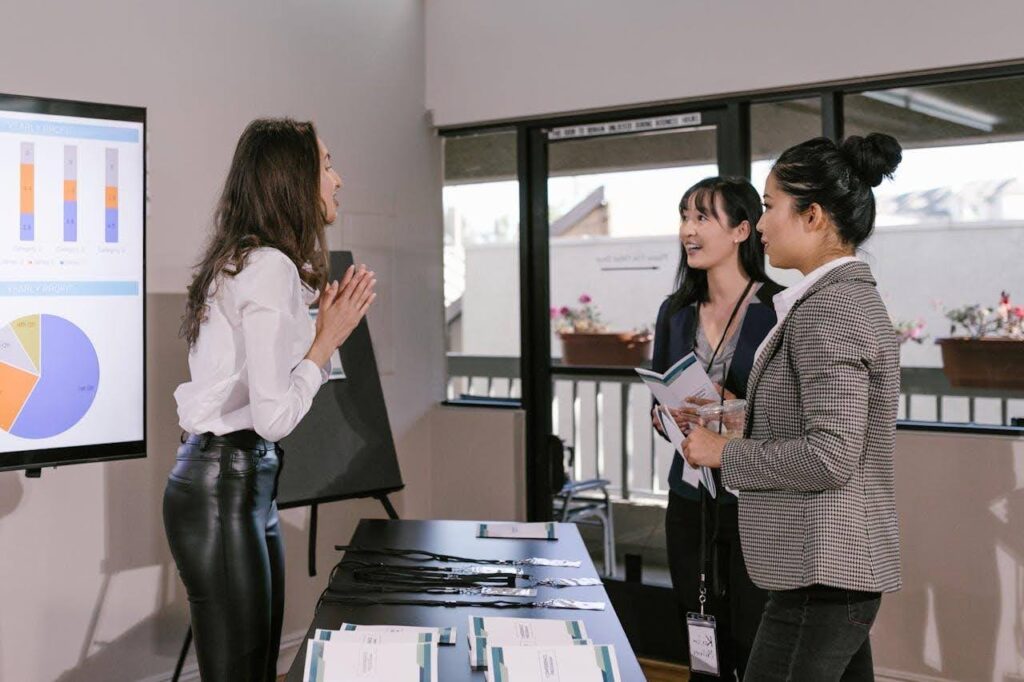
In an increasingly competitive market, effective brand representation at exhibitions and events can make all the difference. From a single banner to an entire booth setup, how you display your brand can influence perceptions, attract attention, and ultimately drive sales. Yet, many exhibitors struggle with ensuring that their display elements maintain a polished and professional appearance. Here are some top tips for displaying your brand without wobbles.
1. Plan Ahead for Impact
Before diving into the logistics of setting up your display, take a step back and consider the overall impact you want to achieve. What message do you want to convey? More importantly, how can you design your space to reflect your brand identity effectively?
• Define Your Objectives: Are you looking to generate leads, increase brand awareness, or launch a new product? Knowing the goal behind your display can guide every decision, from layout to color scheme.
• Know Your Audience: Understand the demographics and preferences of the attendees at your event. This knowledge can help tailor your display to resonate with them.
• Design Cohesiveness: Consistency is key. Ensure that the visual elements—logos, fonts, and color palettes—are aligned with your brand guidelines. When everything looks like it belongs together, your booth will exude professionalism.
2. Choose the Right Display Solutions
The type of display you use will significantly impact the perception of your brand. Various options exist, but finding the right one is crucial for delivering stability and clarity.
• Banners and Backdrops: These can serve as focal points or support elements in your display. To keep graphics stable during exhibitions, consider investing in high-quality banner stands that resist bending or tipping. A reliable option is provided by Display Wizard, where you can find a variety of stands tailored for different needs.
• Interactive Elements: Touchscreens, VR setups, or engagement stations can draw visitors, but ensure they’re secured and integrated smoothly into your overall design to avoid distractions.
• Modular Displays: If you’re showcasing multiple products or services, using modular display systems allows for flexibility. These adapt well to different spaces and give a professional finish that doesn’t falter under weight or movement.
3. Emphasize Lighting
Good lighting can transform any display from bland to inviting. It can highlight key messages, guide foot traffic, and create an overall atmosphere that fits your brand personality.
• Use Backlighting: Consider LED backlit displays for a modern touch. This not only illuminates your branding effectively but also adds depth to your booth.
• Spotlights: Use directed lighting to focus attention on specific products or areas. This strategy can create visual hierarchies, making it easier for potential customers to find the information they need.
• Natural Light: If the venue allows it, using natural light can enhance the appeal of your booth. This kind of lighting tends to soften the overall atmosphere, making attendees feel more at ease as they engage with your materials.
4. Prepare for the Unpredictable
No matter how much planning you do, exhibitions can be unpredictable. Be ready for anything that may come your way.
• Weather Considerations: If you’re displaying outdoors, be prepared for winds, rain, or sun exposure. Opt for displays that are weather-resistant, and consider anchoring your banners and stands securely to prevent them from toppling over.
• Emergency Repair Kits: Bring along a small toolkit with essentials such as tape, scissors, and zip ties. These can quickly address minor issues, allowing you to focus on engaging attendees rather than scrambling to fix problems.
• Backup Materials: Always have extras on hand—whether it be flyers, business cards, or even an additional banner. In the hustle of an exhibition, it’s easy for materials to get lost or damaged.
5. Engage Your Audience
Once your display is up and stable, the real work begins: engagement. How do you bring the public into your space and keep them interested?
• Interactive Demos: If applicable, hold live demos of your products or services. Nothing captures attention quite like seeing a product in action.
• Friendly Staff: Ensure you have approachable staff who are knowledgeable and equipped to engage visitors in meaningful discussions. Their enthusiasm can make a lasting impression.

• Giveaways: Offering promotional items can draw people in while serving as a reminder of your brand post-event. This is a strategy that pays dividends long after the exhibition ends.
6. Monitor and Adapt
After the exhibition concludes, it’s important to analyze what worked and what didn’t.
• Visitor Analytics: Collect data on foot traffic or booth interactions. Understanding visitor behavior can guide future strategies.
• Feedback: Encourage feedback from your team and attendees regarding what elements of the display were effective, and which were not as compelling.
• Continuous Improvement: Use the insights gathered to refine your display process for future events. Continuous improvement can lead to a strong display presence that evolves with your brand.
By following these foundational tips, you can display your brand confidently and with minimal wobbles at exhibitions and events. Carefully planning, choosing the right materials, preparing for unpredictability, and engaging your audience will not only boost your visibility but also enhance your brand’s reputation. After all, in today’s visual-centric market, how you present yourself can leave a lasting impact.