
The pursuit of passive income often leads to highly competitive or capital-intensive sectors like real estate or stock trading. However, a quiet, resilient micro-business offers a surprisingly low barrier to entry and excellent scalability: the vending machine business, specifically focusing on capsule toys and novelties. This is not about selling sugary treats; it’s about treating small-scale toy vending as a serious investment vehicle designed for compounding returns.
The Hidden Investment Potential of Toy Vending
Why should a discerning investor consider a brightly colored toy dispenser? The answer lies in its financial mechanics. Unlike trading stocks, a vending machine is a tangible asset with immediate, predictable cash flow and minimal overhead.
Compared to other options, the initial investment for a single machine is negligible. A single unit can be purchased and stocked for less than the monthly cost of maintaining a high-yield stock portfolio. The model is also remarkably resilient; it capitalizes on impulse purchases and provides entertainment, which is often recession-proof. It represents an accessible, low-risk side hustle with the potential to generate a solid return on investment (ROI), provided the right strategy is employed.
Step 1: Calculating Your Startup Capital
The first step in any successful venture is understanding the capital required. Your initial investment will primarily cover three areas:
- Machine Purchase: A new, high-quality capsule machine might cost $200 to $350. A reliable used machine can be found for $100 to $200. Choose machines that accept $0.50 or $1.00 coins to maximize the average transaction value.
- Inventory: This is your running cost. Unlike bulk candy, which is heavy and can spoil, capsule toys have a long shelf life. You need to calculate the cost-per-unit. A typical bulk order of 250 quality capsule toys might cost $40. If each vends for $0.50, your potential revenue is $125, resulting in a substantial profit margin before factoring in machine cost and commission.
- Logistics and Licensing: Factor in the cost of liability insurance (often under $100 annually for small operators) and any local vending machine business licenses required by your municipality.
Pro Tip: Start with three used machines. This allows you to test different inventory and location scouting strategies without sinking massive capital.
Step 2: The Art of Strategic Location Scouting
The adage “location, location, location” is the cornerstone of the vending machine business. A machine placed in a poor spot is a liability; one in a high-traffic spot is an asset.
- Identifying Prime Venues: Focus on places with captive audiences or high foot traffic involving families and children. Ideal spots include laundromats, family-style restaurants, medical/dental waiting rooms, bowling alleys, and auto repair shops where adults wait while children seek a distraction.
- Negotiating Commission: Most locations require a commission or monthly rent. The industry standard commission is 25% to 35% of the gross revenue. Always aim for a percentage over a fixed rent; this reduces your risk if the machine underperforms and incentivizes the venue owner to maintain the machine’s visibility. Frame your pitch professionally: you are offering them a zero-effort revenue stream and a kid-friendly amenity.
- Foot Traffic Demographics: Always analyze the target audience. A popular waiting room is better than a huge mall if the mall traffic isn’t your core demographic.
Step 3: Sourcing Inventory and Machine Selection
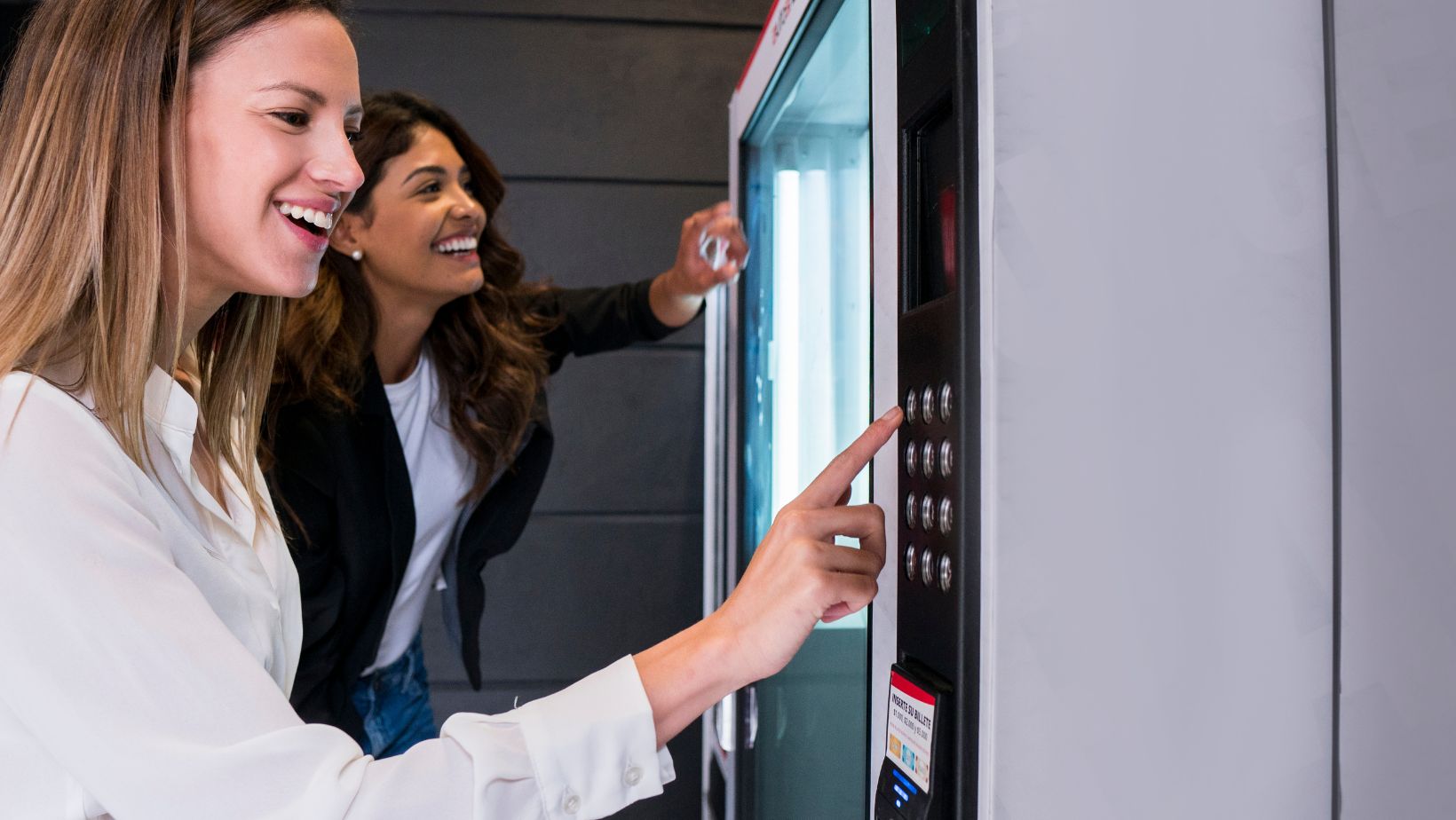
The machine type dictates the inventory, and the inventory dictates the sales volume.
- Machine Types: Focus on the versatile capsule machine. Gumball machines often have a lower price point and thinner profit margin. Flat-vend machines (stickers/tattoos) work well in specific, high-turnover spots but can be tricky to service.
- Sourcing Merchandise: Avoid retail shopping for toys. Buy merchandise in high-volume, wholesale bulk from specialized vending suppliers. The key is to source low-cost items that look high-value. Trending themes, popular movie tie-ins, or collectible items drive sales. For example, a machine vending collectible car replicas, perhaps even a curated selection of hot wheels vending, can generate strong interest and repeat customers in the right setting.
- Rotation: Never let inventory stagnate. Rotate your stock every 4 to 6 weeks. New toys create a “new machine” effect, boosting sales.
Step 4: Maximizing Profit and Minimizing Maintenance
The true measure of a successful passive income side hustle is efficiency.
- Maintenance Schedule: Create a simple maintenance checklist. This is a 10 to 15-minute process per machine: collect coins, wipe down the exterior, check the coin mechanism for jams, and restock inventory. Schedule this check-in weekly for high-performers and bi-weekly for others.
- Tracking and Telemetry: While expensive telemetry systems are unnecessary for a small operation, you must track sales. A simple spreadsheet logging the date, the amount collected, and the amount restocked provides critical data for calculating your true ROI.
- Price Optimization: Test different price points. Raising the price from $0.50 to $0.75 or $1.00 can dramatically increase revenue with a negligible impact on sales volume, thus widening your profit margin.
Scaling and The Path to True Passive Income
Managing 5 machines is a hobby; managing 20+ is a small business. The efficiency comes from grouping your machines geographically to minimize travel time between service points.
The path to true passive income is achieved when the revenue generated by your existing machines fully funds the purchase and stocking of new ones. Aim for a return on investment where each machine pays for itself within six to nine months.
Start small, focus on high-traffic location scouting, and run your operation with the discipline of a CFO. The unassuming vending machine business is a proven framework for building a scalable asset portfolio, one coin at a time.