
In recent years, traditional e-commerce platforms have tended to rely on monolithic architectures. These platforms relied on the interconnectedness of components such as the interface and back-end logic. In 2026, these principles have changed. The market is constantly changing and welcomes the flexibility of enterprise platforms. Users are increasingly switching to Headless Commerce.
An ecommerce development agency can stay ahead of competitors and meet user demands in a world where customer expectations are growing faster than plugin standards are updated. The right strategy and the right selection of partners will help you develop your business at the right level and maximize your revenue.
About Headless Commerce
Now, everything is built on the principle of “headless” architecture. What does this mean? In this structure, the frontend is separated from the backend. They interact via API. This type of business relationship raises a logical question: how do brands control the user experience? Companies are prioritizing innovative digital tools. They allow for effective user experience control. Companies have learned to avoid affecting logical processes in order/payment processing, much less disrupting warehouse management.
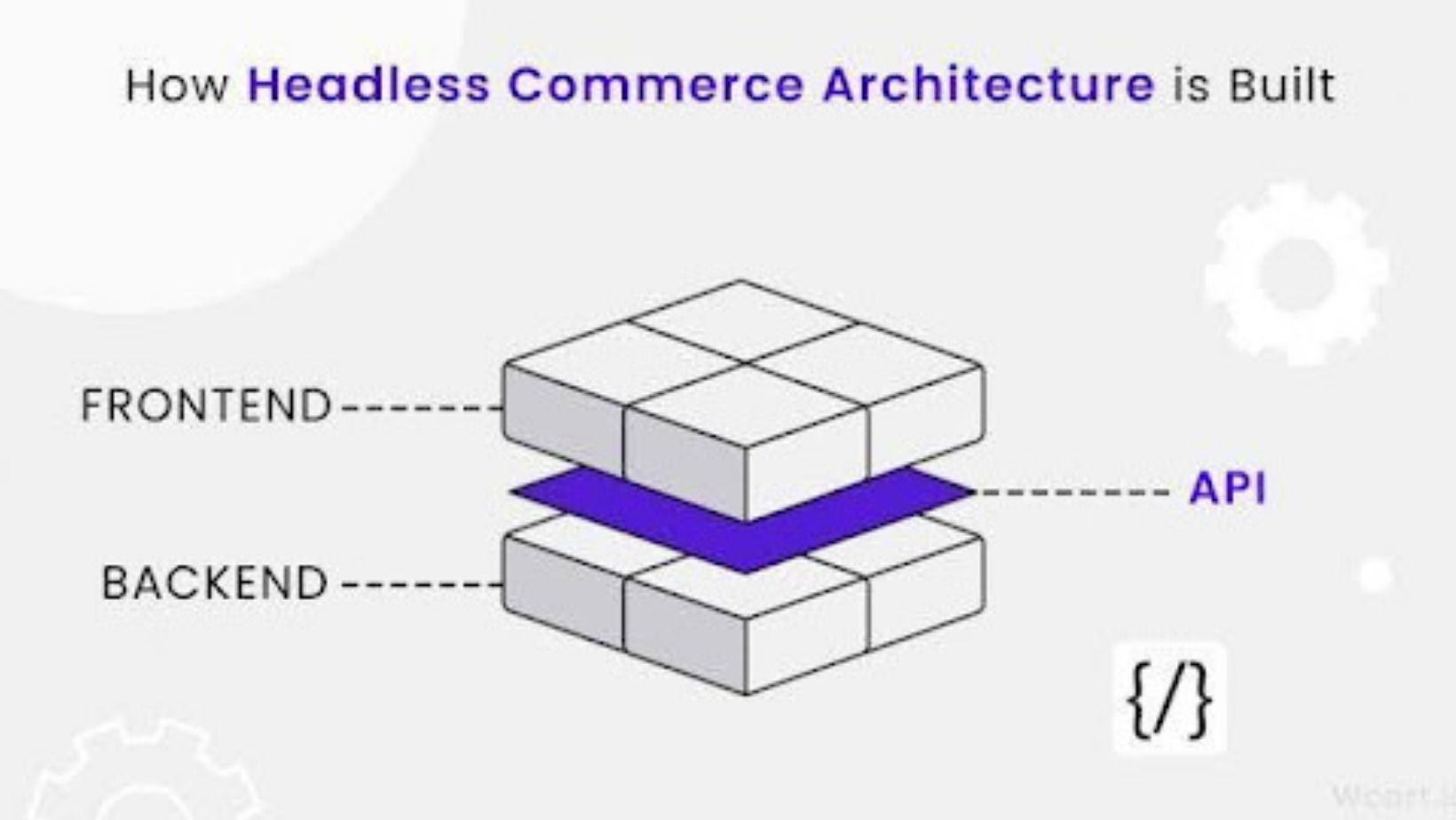
Choosing this path has several advantages:
- In 2026, you no longer need to be limited by specific templates like a CMS. It allows you to create a compelling interface. It will become an indispensable element in mobile apps and smartwatches. To achieve this, you need to use innovative and popular frameworks like React, Vue, and Next.js.
- Headless solutions demonstrate greater speed and outperform monoliths. Data transfer is carried out via API. In the SEO industry, this metric is crucial. A millisecond delay can lead to significant financial losses.
- Omnichannel capabilities allow you to store information and products in one place and, if necessary, transfer them to social media and IoT devices. Businesses are increasingly exploring new platforms.
- Headless Commerce is all about flexible updates. The platform interface can be modified once a week without fear of disrupting the database or payment system.
Transitioning to Headless is impossible without financial investment.
When is it Best to Switch to Headless Commerce?
To be sure you’ve made the right choice, consider this architecture in the following situations:
- The website can’t handle the load: it’s slow and unstable. Its performance can be compared to a turtle’s movements.
- Your platform has been running on standard website builders for a long time. You can’t implement all your ideas, and you want to create a unique UX/UI.
- Headless is suitable for those working with complex ecosystems. A typical example is managing business activities on a website, app, marketplace, and a physical point of sale. Such a large number of retail outlets requires competent and well-thought-out synchronization.
Headless Commerce will help you solve all your business problems. Investing in this model will pay off. It will meet your basic needs and help build a foundation for long-term business growth. Headless Commerce requires two important components:
- a strong technical team;
- significant financial investment.
This business tool can begin generating profits from the first days of implementation.